
Before anything else this month: Thank you to the people who show up for their teams on hard days. To the ones who've learned to notice when something's off in themselves or someone else before it becomes a crisis. That noticing is its own kind of skill, and it's one we don't talk about enough.
September held Suicide Prevention & Awareness Month and Pain Awareness Month. Two observances asking the same underlying question: what can happen when we stop treating pain as something to push through quietly? There’s plenty of research on trauma that tells us the body keeps score even when the mind seems to move on. That “score” doesn't just live in our personal lives. It shows up at work too, as the employee who goes quiet in meetings; the team that's technically fine but never quite recovers between deadlines; the leader who wears "I never take a sick day" like a badge of honor. None of that is neutral. It's data, if we're willing to read it.
This month, we want to hold space for what these observances actually mean. If you or someone you love is struggling, the 9-8-8 Suicide & Crisis Lifeline is free, confidential, and available 24/7 by call or text. You don't have to be in crisis to reach out - you can call for someone else, or just because you're not sure. We’ll share some other resources in Collective Good below.

Here are our September Updates:
We're headed to CultureCon West in October. We had such a good time connecting with culture carriers there last year, and we're excited to be back building community, getting inspired, and sharing our message of abundance with the people in the trenches with us. If you caught Lena’s and Ellie's reels from last year's CultureCon, you know the energy we're bringing back this time!
We've kicked off a new leadership training partnership with Brainchild Bio. This training series centers feedback and coaching as levers for success, equipping leaders at every stage of their people-management careers with the tools to meaningfully show up for their teams. As Brainchild Bio scales, we're proud to help make sure that growth is matched by real leadership capacity, so the people leading the work can hold what's coming. TJC is excited to continue building in the healthcare and tech space!
Austin was promoted to Strategic Operations Manager at The Justice Collective! He joined TJC in 2024 as our Project Management Specialist, and over the past two-plus years he's become something much bigger than that title ever represented. He holds our client relationships and our own internal partnership together with care, foresight, and an instinct for what these collaborations actually need. His background in the nonprofit and education world grounds his understanding of mission-driven organizations from the inside. We love how Austin thinks in terms of experience and story, not just management and operations fundamentals, and we trust this new title reflects the weight of his contributions to our work.

Emotions at work are a good thing.
Most feedback training teaches leaders to strip emotion out of the room. Stay neutral, stay professional, keep it clean. We're here to push back on that. Emotions aren't the obstacle to good feedback. Sometimes they're the mechanism by which feedback can be internalized.
Research on how people actually learn from feedback makes this plain: two people can hear the exact same words from the exact same manager and walk away with completely different outcomes. One tightens up their work. The other goes quiet, gets defensive, and stops taking risks. Same feedback. Different emotional reaction. Different result. But the information didn't change. What changed was where each person's attention went afterward: toward the work, or toward protecting themselves.
Emotion isn't noise getting in the way of the message. It's actually the thing determining whether the message lands at all. Shame and fear shut people down. Accountability and reflection ("I made a mistake, and I could have done it differently") keep people oriented toward improvement. The leaders who get this right aren't avoiding emotion. They're reading it, and using it.
So what does this mean for anyone who wants to be a more emotion-aligned leader?
Stop asking "was I clear?" and start asking "where did their attention go?" Clarity was never the whole job of feedback. If someone walked away defensive or quiet, it may not have just been what was said that caused issue. The way they felt actually created a barrier to meaningful reflection.
Knowing your people betters your aim. Activating reflection and growth instead of shame and fear can't be scripted. It requires actually knowing how a specific person processes hard news, and that looks different for every single person on your team.
The managers you don’t coach shape your culture anyway. Every manager in your org triggers these emotional reactions daily, whether anyone's paying attention or not. The climate they create (do people speak up after feedback, or go quiet) is often a better read on their effectiveness than the feedback conversation itself.
All that to say, leaders who treat emotion as something to manage around are missing a real powerful lever. Emotional intelligence isn't a soft skill automatically installed for anyone who becomes a leader, but working to build that muscle in feedback conversations makes motivation, retention, and growth way more accessible.
Read: The Harvard Business Review, "Great Leaders Know Which Emotions Their Feedback Will Trigger." Then ask yourself: do you know which door your last piece of feedback sent each of your people through?

Organizations Doing the Work and Opportunities to Plug In
Every month we shine a light on community organizations moving with purpose. This September, we're centering Suicide Prevention Awareness and Hispanic Heritage Month.
988 Suicide & Crisis Lifeline
A free, confidential resource available 24/7 by call or text for anyone in crisis or supporting someone who is.
Learn more at 988lifeline.org →
American Foundation for Suicide Prevention (AFSP)
AFSP funds research, provides education, and advocates for policy change to reduce suicide, with a strong focus on workplace and community-level prevention.
Visit afsp.org to connect and give →
UnidosUS
One of the largest Hispanic civil rights and advocacy organizations in the U.S., working across economic opportunity, education, and civic engagement.
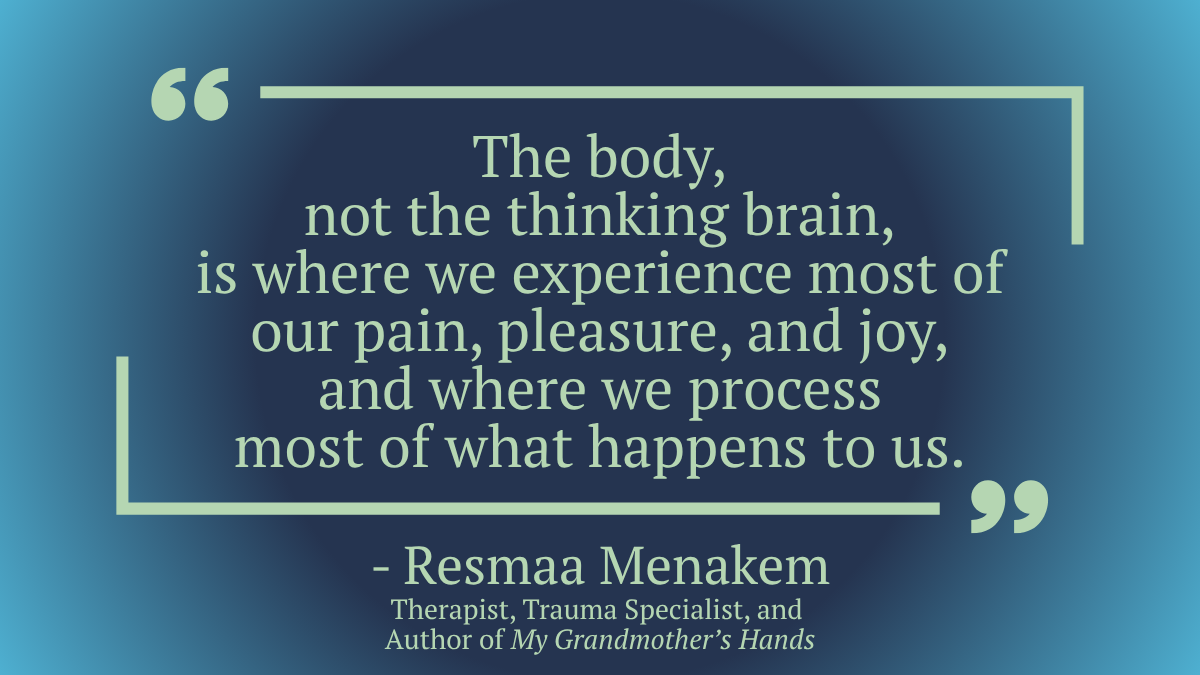
Pain doesn't always announce itself. It can show up as burnout, as silence in meetings, as a team that's "fine" until it really isn't. The leaders who can actually address pain points in their organizations are the ones who've learned to notice pain in themselves first. Because you cannot tend to what you refuse to feel.
If you're interested in working with us, please reach out. And make sure you're following us on LinkedIn for more frequent updates on our work!